Hair Thinning & Shedding: Differences, Causes and Assessment

Hair thinning and hair shedding can happen separately or at the same time, but they do not always have the same cause. Thinning refers to reduced hair density, while shedding means more hairs are falling out than usual. Possible causes may include hereditary hair loss, temporary shedding, medical or nutritional factors, scalp concerns and hair-care practices.

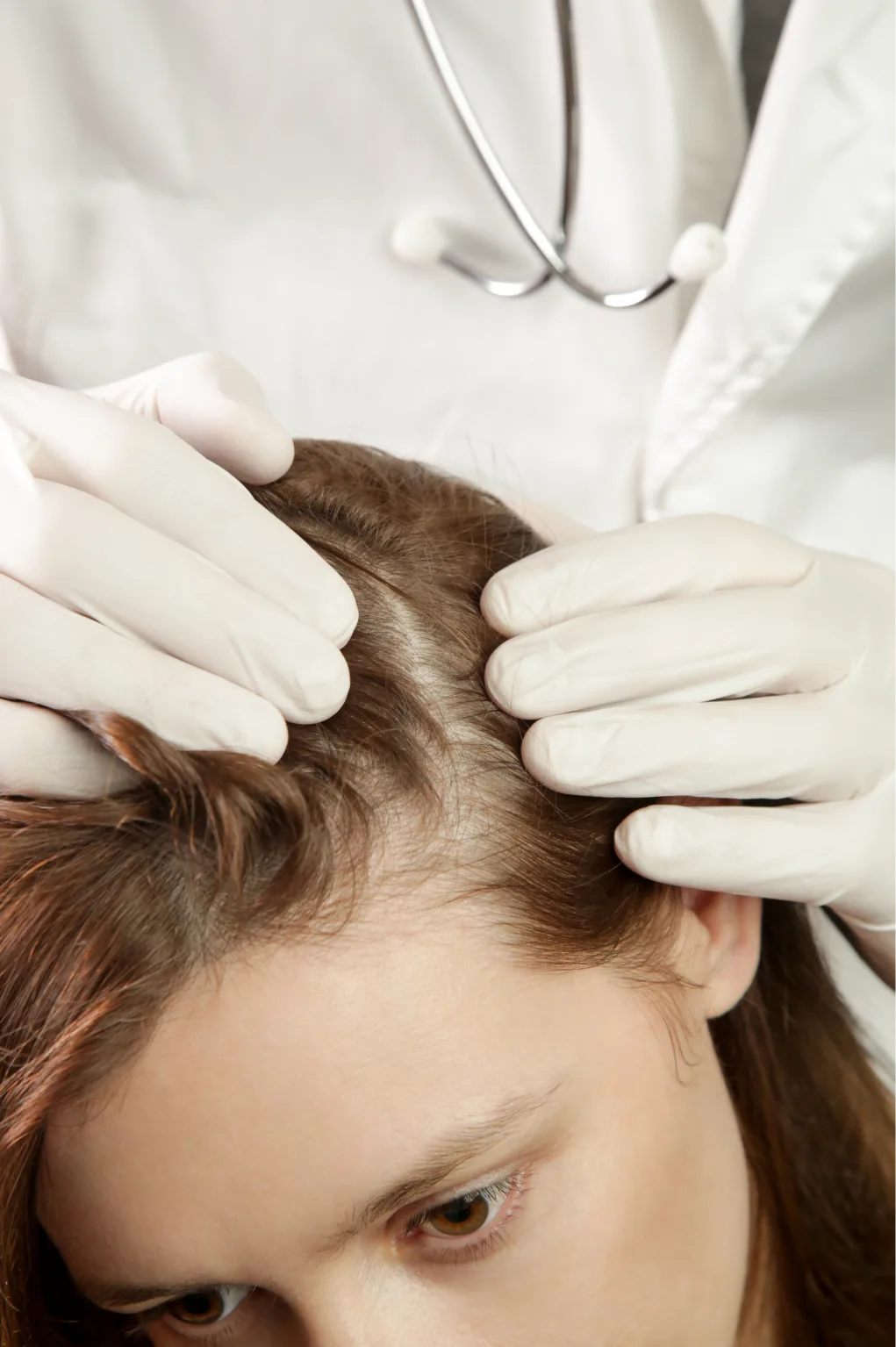
Doctor discussing a hair concern with a patient

Hair Concerns

Hair Thinning & Shedding

Less density and more hair fall can happen together, but they do not always have the same cause. MH Clinic starts with a hair and scalp assessment before discussing suitable next steps.

Know the difference

Thinning and Shedding Are Not the Same

Thinning describes reduced density. Shedding describes more hairs falling out than usual. Some people experience both.

Density change

Hair Thinning

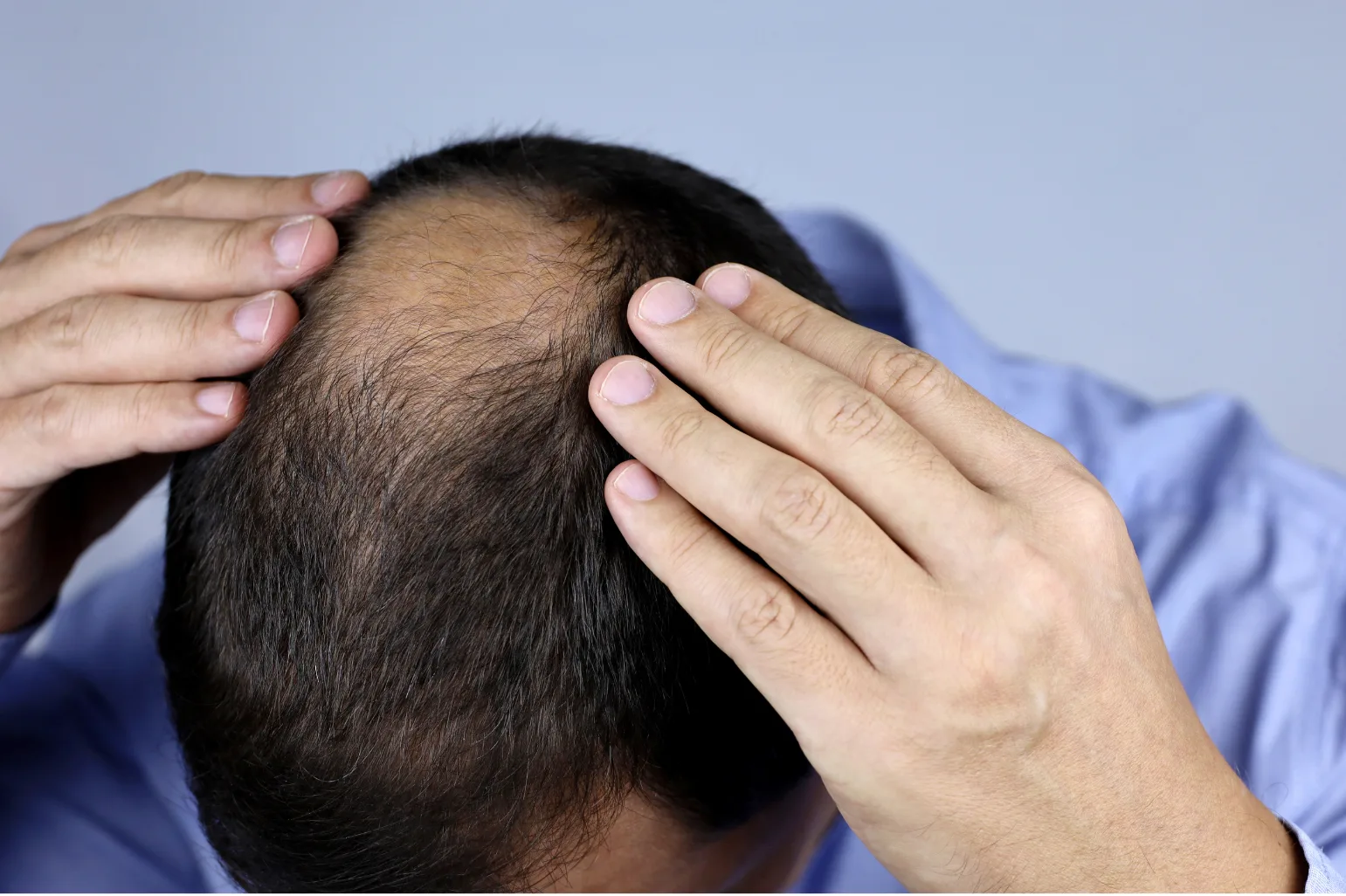
Hair looks less dense and more scalp may become visible.
It often develops gradually and may affect the part, crown, hairline or overall density depending on the cause.
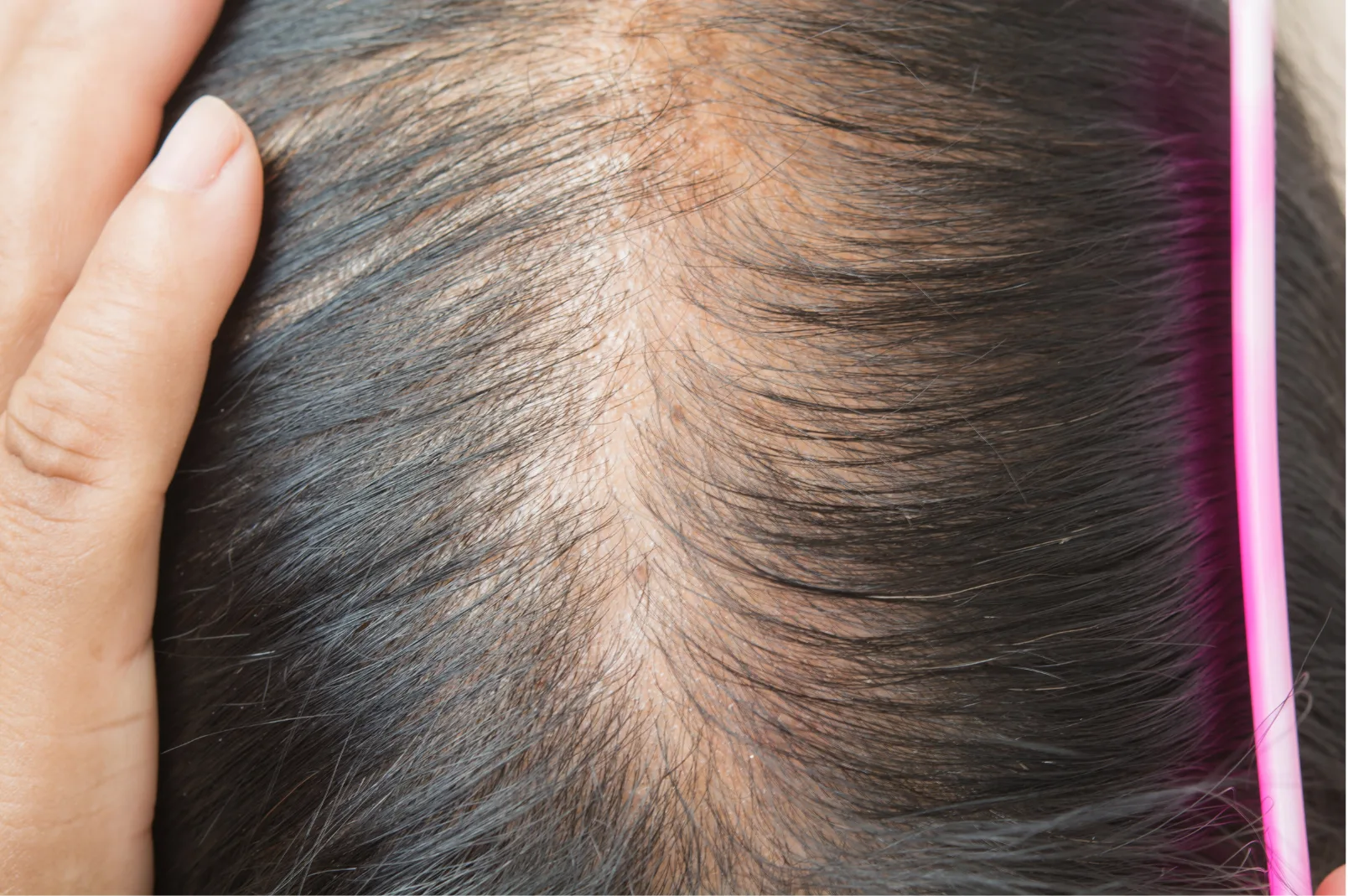
Hair and scalp viewed from above
Hair fall

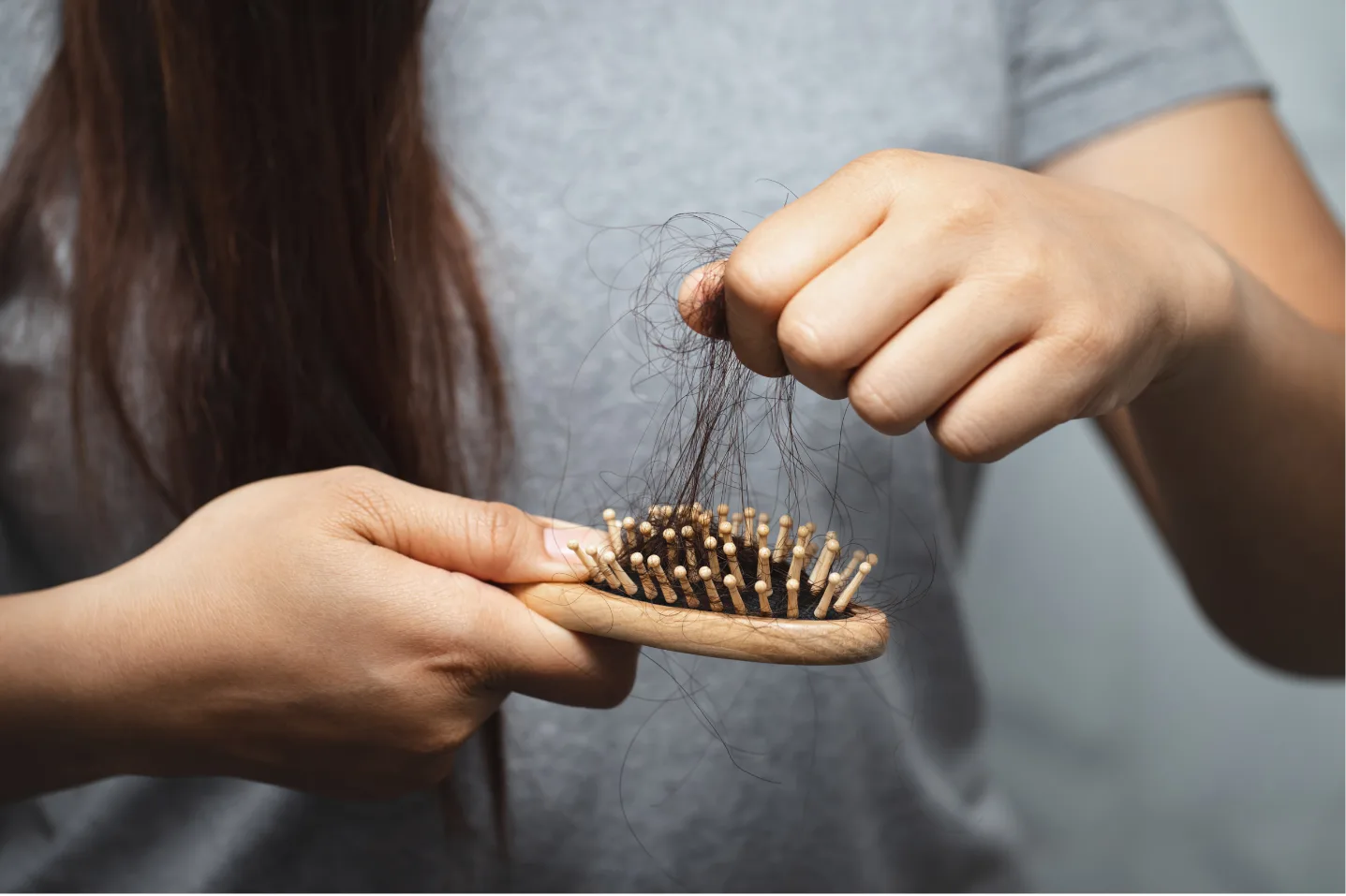
Hair Shedding

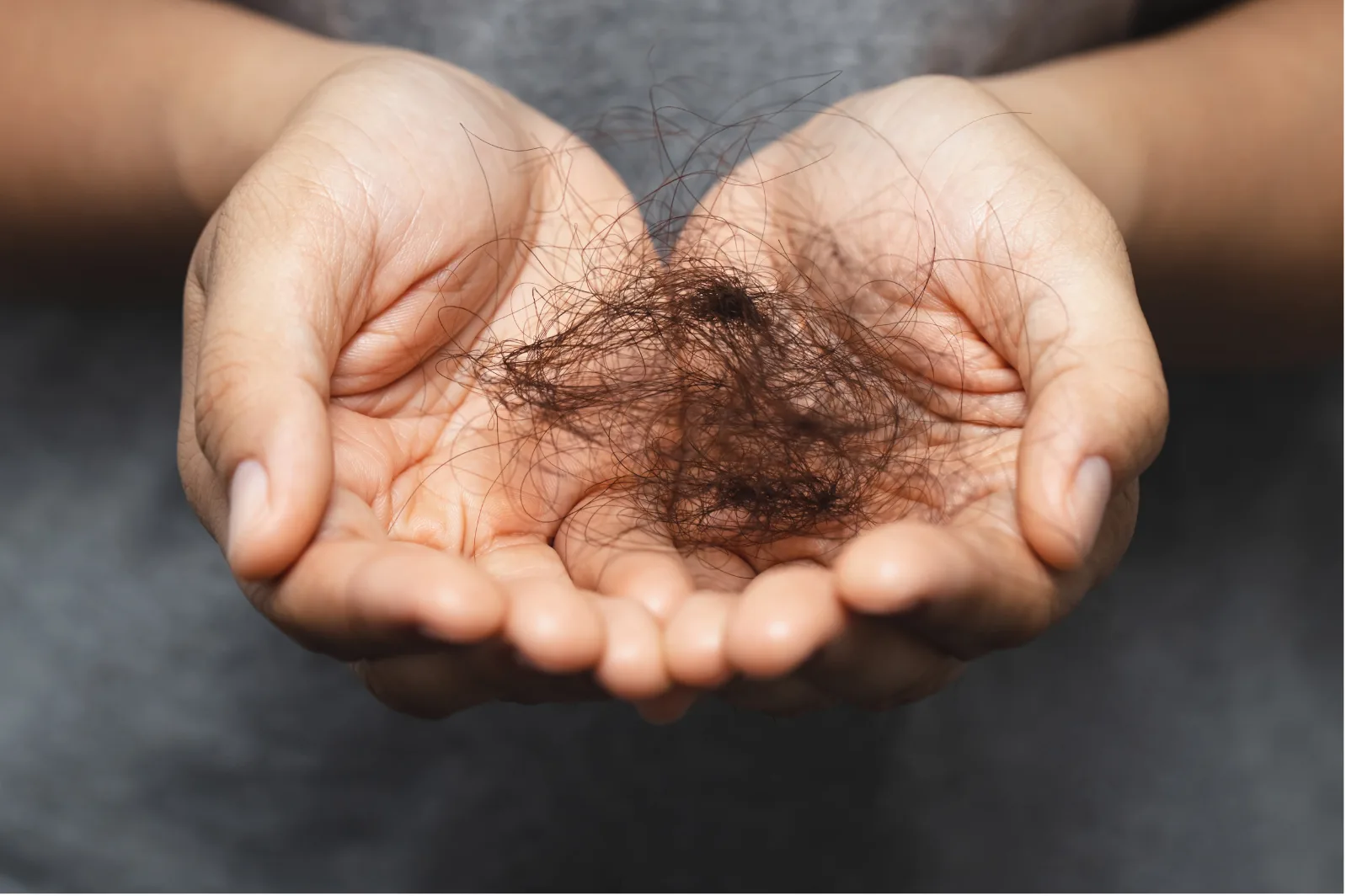
You notice more hairs than usual on the brush, pillow or in the shower.
Excessive shedding can follow illness, major stress, childbirth, surgery, weight loss or other triggers.
Hair being examined closely
Overlap

Both Can Happen

Increased shedding can occur on top of an existing pattern of thinning.
The timing, pattern and scalp findings help a doctor work out whether more than one factor may be involved.
Hair density viewed from above

Cause matters

One Symptom Can Have Different Causes

Hair thinning or shedding can be hereditary, temporary or linked to medical, nutritional, scalp or hair-care factors.
Hair and scalp viewed from above Hair being examined closely Doctor discussing a health concern Hair and scalp assessment
Gradual change Pattern hair loss Inherited pattern hair loss is a common cause of gradual thinning in both men and women.
More hair fall Temporary shedding Illness, major stress, childbirth, surgery or significant weight loss can trigger temporary excessive shedding.
Check the context Medical & nutritional Iron deficiency, thyroid conditions, some medicines and other health factors can contribute to hair loss or shedding.
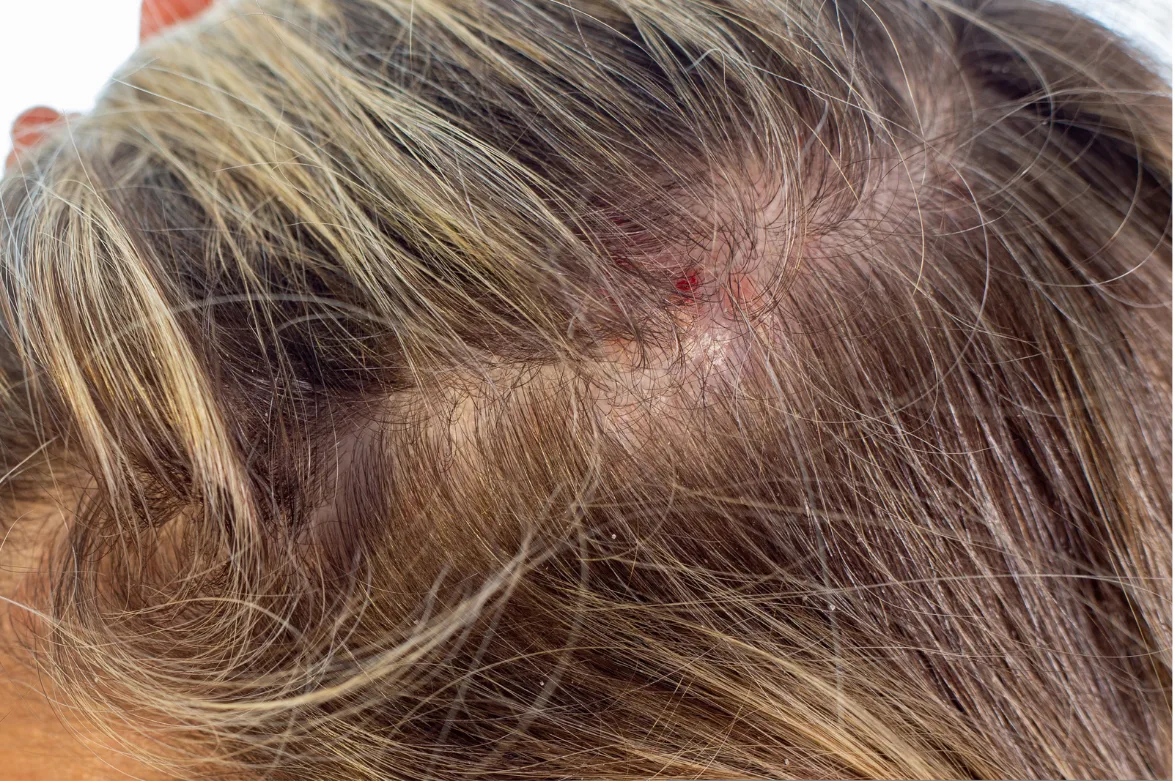
Scalp and hair Scalp & hair practices Scalp inflammation, repeated tension from tight hairstyles and damaging hair practices can affect the hair or lead to breakage.

At MH Clinic

Assessment Before Treatment

Pattern & densityLook at where density is changing and whether the change is gradual or sudden.
Scalp & historyReview scalp condition, recent triggers, health history and relevant medicines.
Likely causeUse the findings to narrow down what may be contributing to the hair change.
Suitable optionsDiscuss next steps and treatment only when it is appropriate for the likely cause.

MH Clinic’s hair-regrowth service includes hair and scalp analysis, care by LCP-certified doctors and personalised treatment planning.

Hair thinning & shedding

Frequently Asked Questions

Common questions about hair fall, density and when further assessment may help.

Losing around 50 to 100 hairs a day can be normal. A clear increase from your usual amount, especially with visible thinning or ongoing change, may be worth assessing.

Yes. Excessive shedding may become noticeable a few months after an illness, major stress, childbirth, surgery or another significant trigger.

Temporary excessive shedding often improves after the trigger has passed and the body readjusts. Recovery varies, and persistent or worsening hair loss should be assessed.

No. Some medicines can contribute to hair loss, but stopping a prescribed medicine suddenly can be unsafe. Speak with your doctor before making any change.

Your first step

Book a Hair & Scalp Consultation

If you are noticing less density, more shedding or both, start with an assessment to understand what may be driving the change.