


Cause 01.
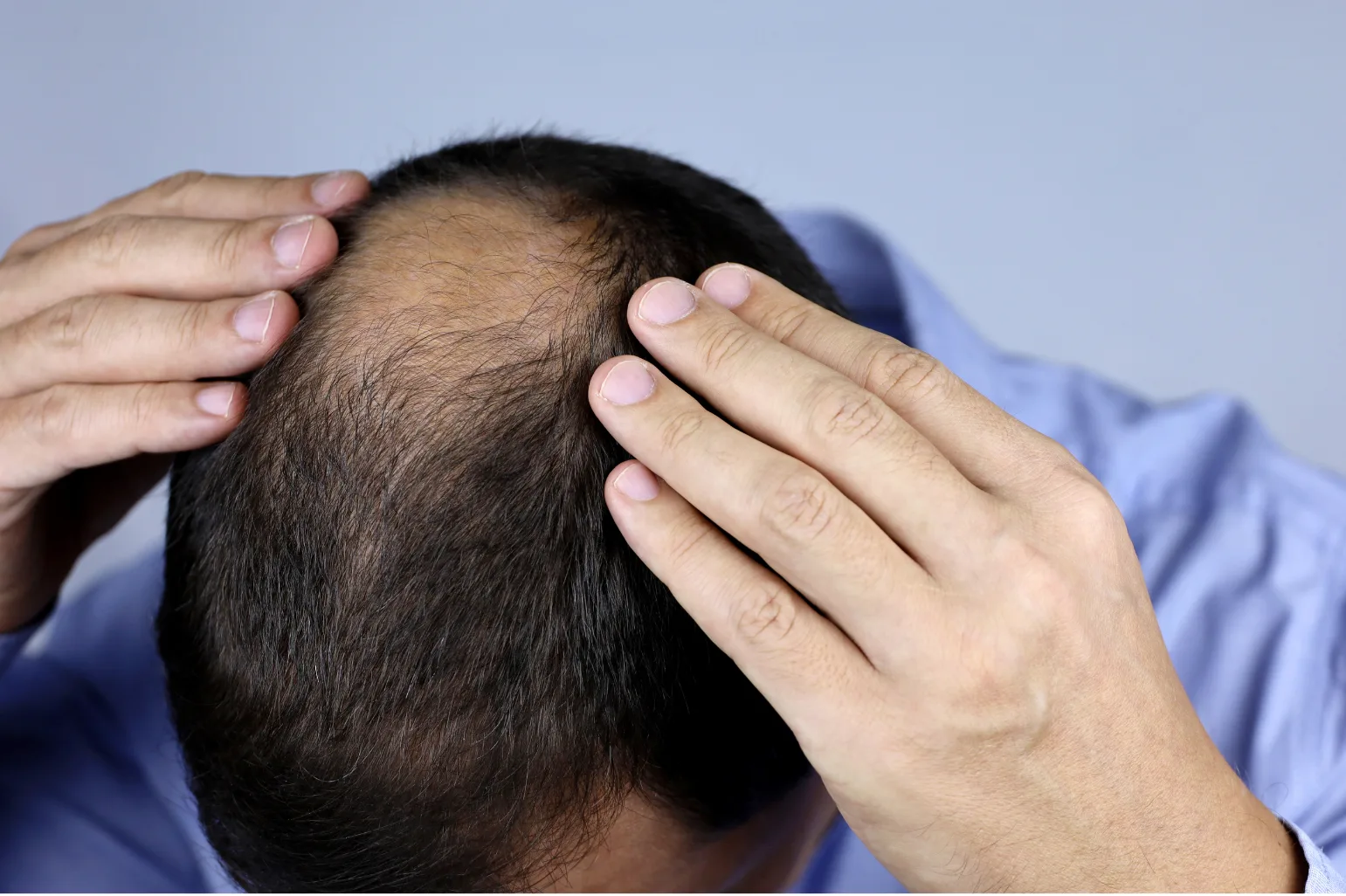
Pattern Hair Loss
Hereditary hair loss can affect both men and women, often with different visible patterns.

Hair Concerns
Hair loss, thinning and shedding can look similar but have different causes. MH Clinic starts with a doctor-led hair and scalp assessment before recommending treatment.
Start with what you notice
The pattern of change is useful, but it does not always reveal the cause by itself.
You may notice recession around the hairline or temples, or gradual thinning through the crown.
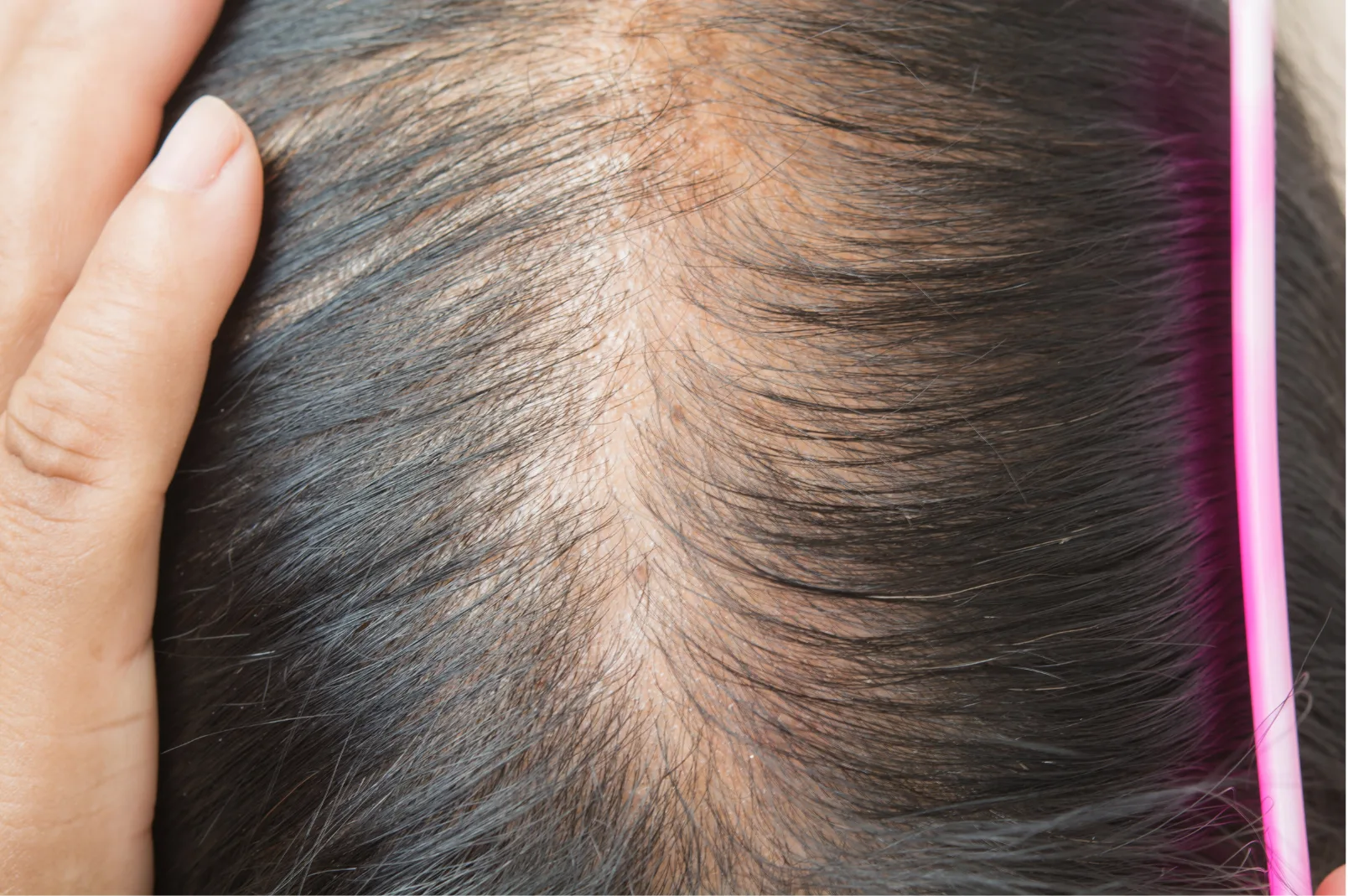
You may notice a widening part, more visible scalp, or a gradual reduction in overall density.
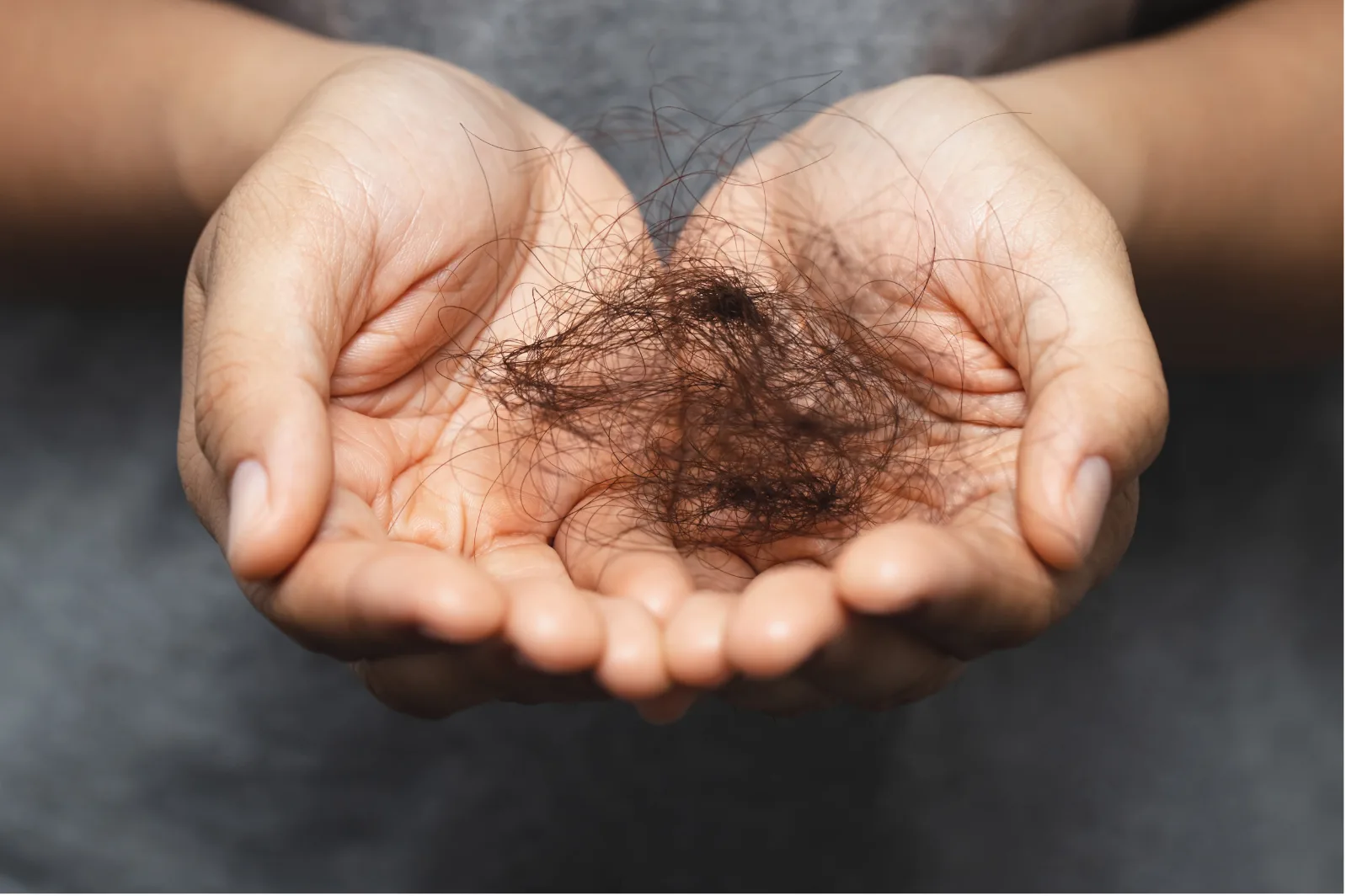
You may notice more hair fall than usual, finer strands, or a general loss of fullness over time.
You may notice persistent flaking, itching, redness, sensitivity or other ongoing scalp discomfort.
Cause matters
Hair loss may be hereditary, temporary or linked to scalp and medical factors. The right next step depends on what is driving the change.
Hereditary hair loss can affect both men and women, often with different visible patterns.
Stress, illness, weight changes, iron deficiency or postpartum changes can trigger increased shedding.
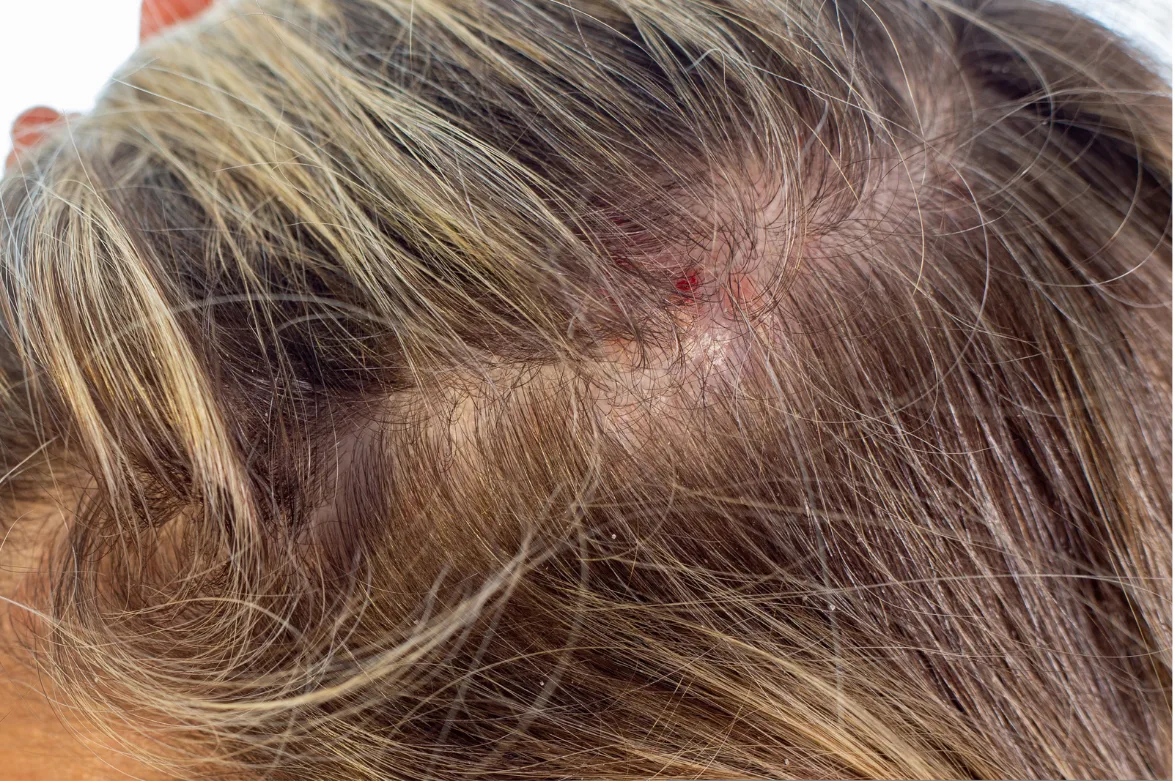
Scalp inflammation, certain conditions or medications can also contribute to hair changes.
Treatment follows assessment
Treatment depends on the cause, pattern and stage of hair loss, your medical history and your goals. One option may be enough, or a combination may be considered.
What is most likely driving the hair change?
Which options fit your condition and medical history?
Progress is reviewed so the plan can be adjusted when needed.
Popular options
MH Clinic offers several medical and regenerative approaches. Suitability is assessed before treatment is recommended.

An autologous regenerative-cell option used within selected hair-regrowth treatment plans.
Explore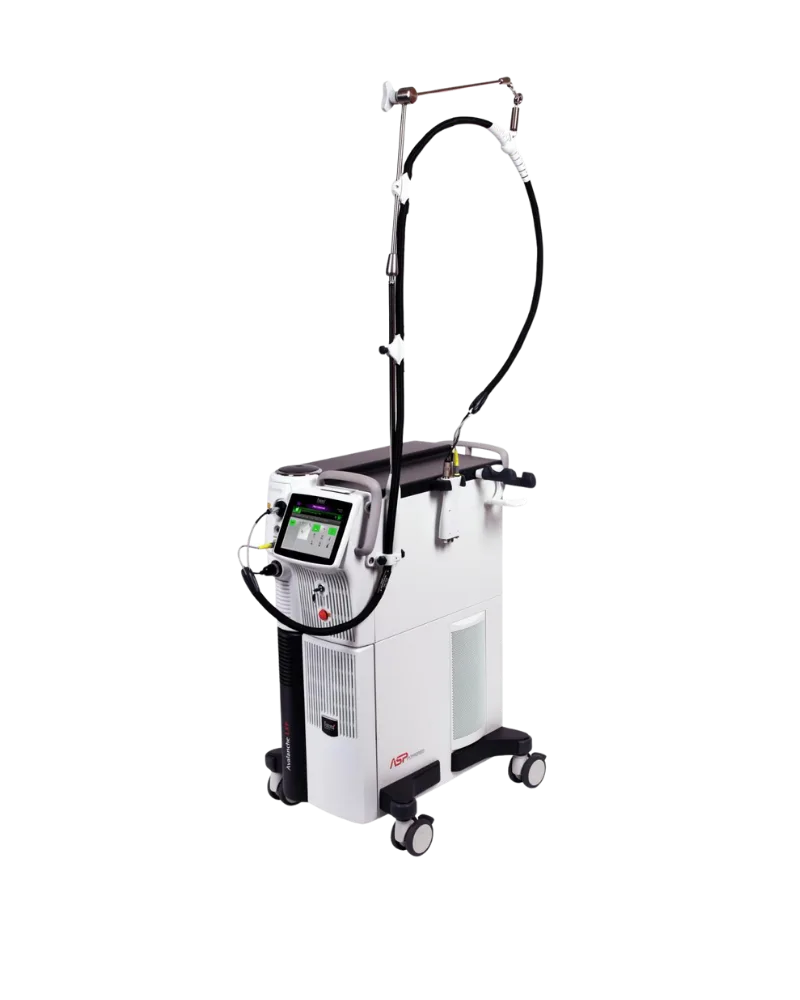
Uses Fotona's patented SMOOTH® laser technology to support dormant follicles, stimulate the hair growth cycle and improve the scalp environment for healthier hair growth.
Explore
Bio-identical growth factors, cytokines and biomimetic proteins designed to support follicular signalling, renewal and healthier hair growth.
ExploreQuestions about hair loss
Answers to common questions about hair loss, shedding and assessment.
Yes. Losing some hair each day is normal. If you notice a clear increase in shedding, visible thinning or a change that continues, it is worth having the cause assessed.
Yes. Excessive shedding can become noticeable a few months after a stressful event, illness or childbirth. The timing and pattern of the shedding can help when assessing what may be contributing.
Excessive shedding means more hair than usual is falling out, while hair loss occurs when something interferes with normal hair growth. Some people can experience both, so an assessment may be needed to identify what is happening.
Sudden, patchy or rapidly changing hair loss should be medically assessed, especially when it comes with scalp symptoms or other health changes.
Your first step
Start with a doctor-led assessment and get a clearer idea of what may be causing the change.