If you notice a receding hairline, crown thinning, increased shedding or a clear loss of density, an assessment can help identify the cause and whether treatment is appropriate.

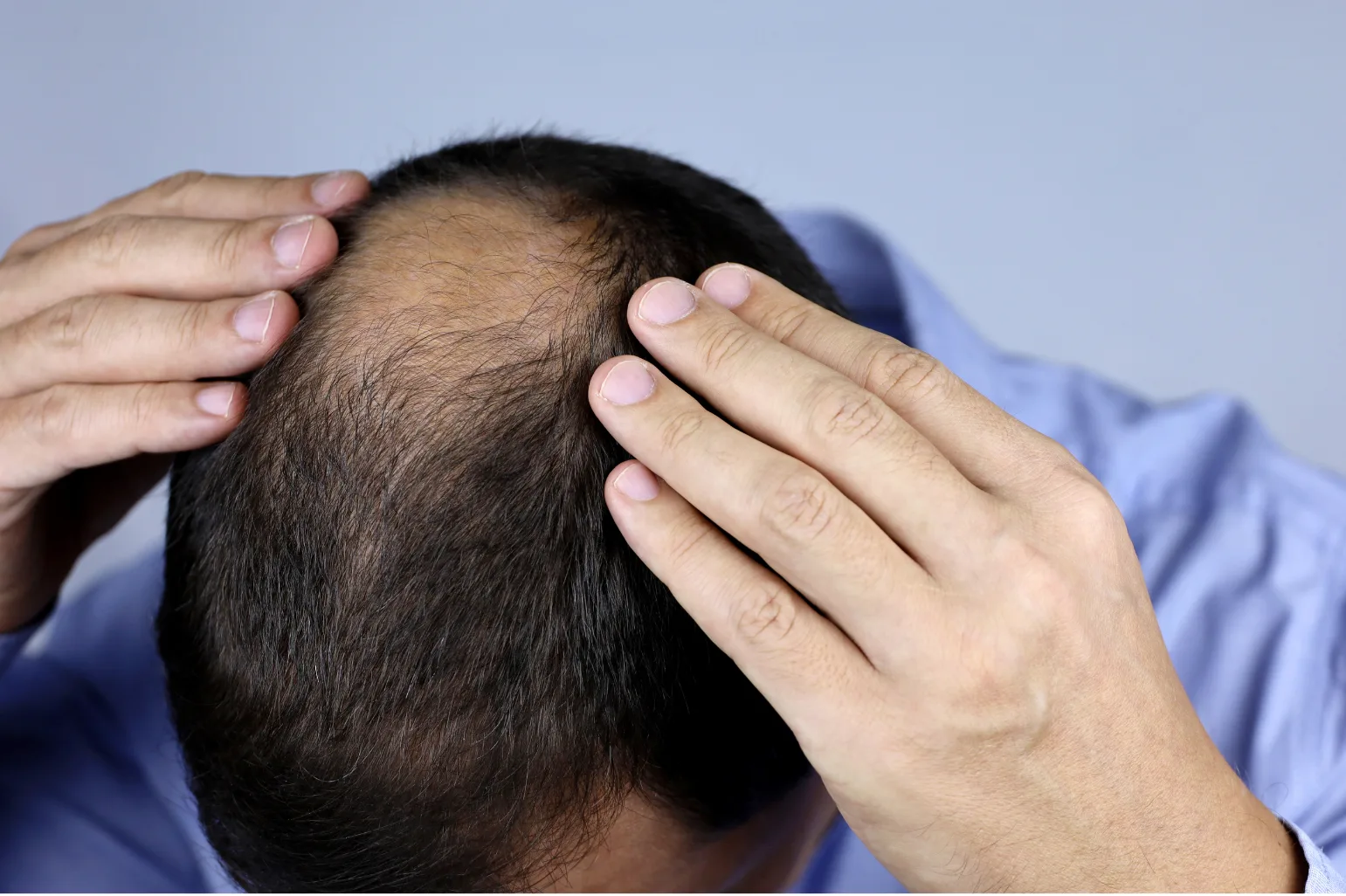
Male Hair Loss
Male Hair Loss
A receding hairline, thinning crown or reduced density can be signs of male pattern hair loss. MH Clinic starts with a doctor-led assessment before recommending treatment.
Common signs
How Male Hair Loss Can Appear
Male pattern hair loss often appears as a receding hairline, crown thinning or both. Hair loss can also have other causes, so the pattern should be assessed before treatment.
Hairline

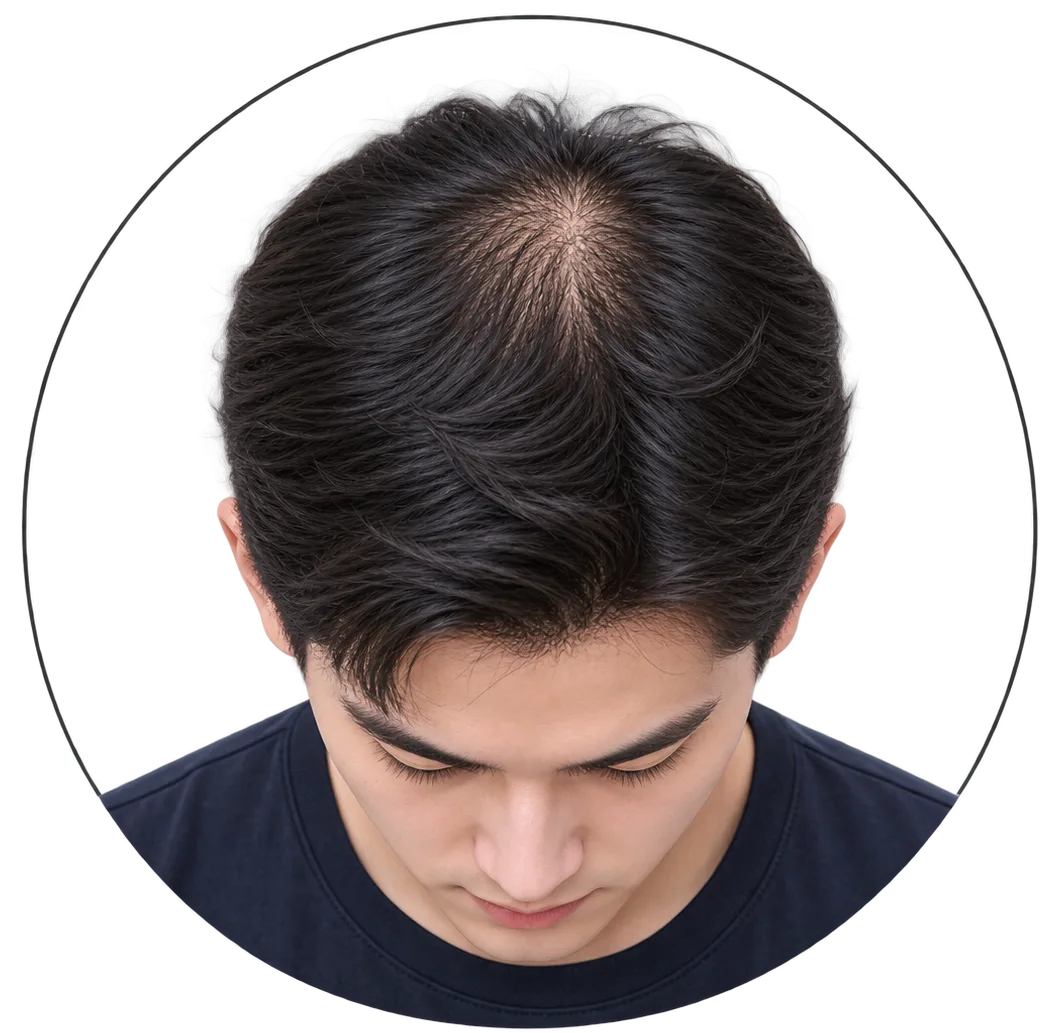
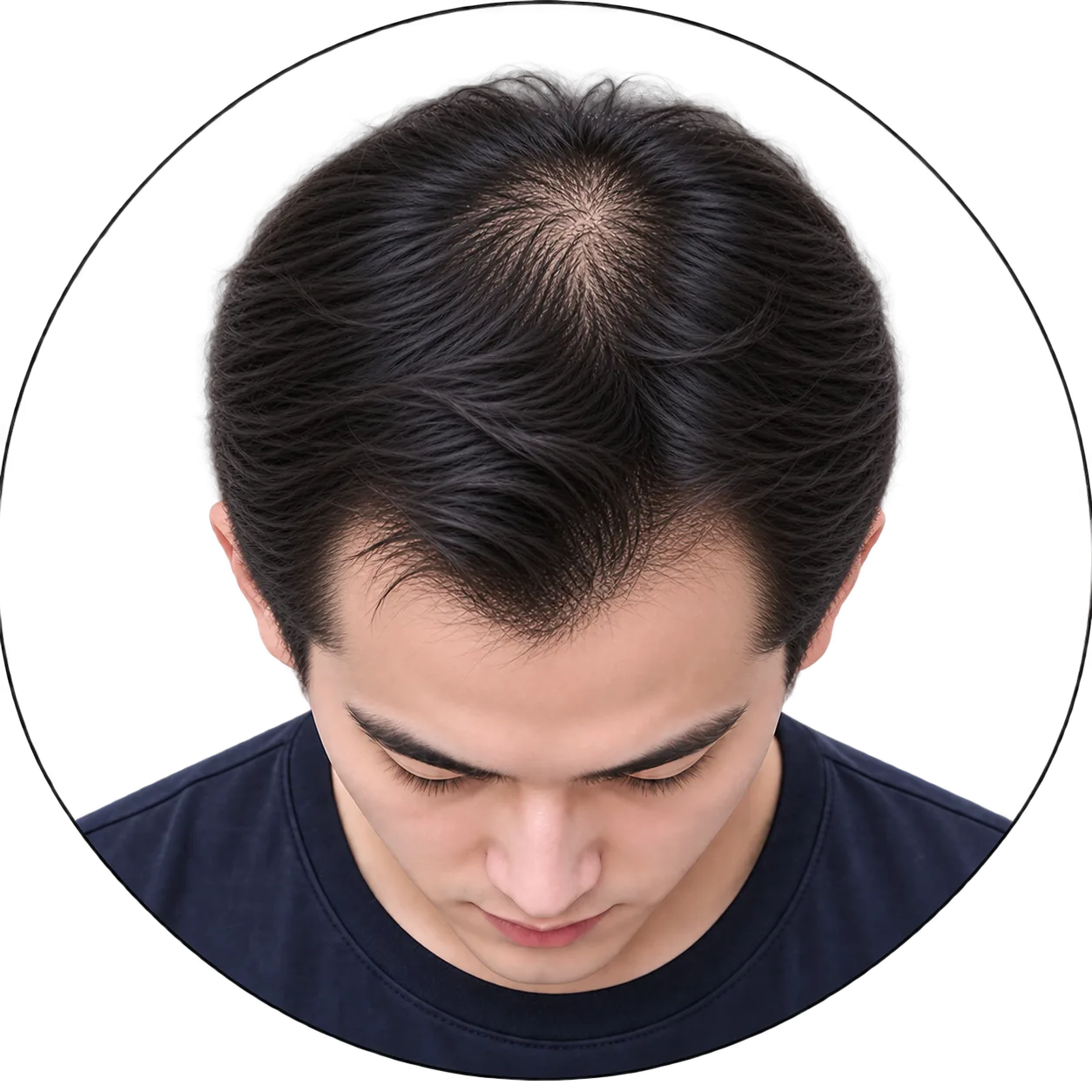
May recede gradually at the temples.
May recede gradually at the temples. May thin gradually at the crown. Both areas can change over time.Assessment first
Find the Cause Before Treatment
Common presentation
Possible contributing causes
A receding hairline or thinning crown often points to male pattern hair loss, but other factors can also contribute.
GeneticInherited sensitivity is a common driver.
HormonalAndrogen sensitivity is linked to male pattern hair loss.
Stress / illnessCan trigger temporary increased shedding.
NutritionalSome deficiencies may contribute to shedding.
Medical / medicationSome conditions or medicines can affect hair.
Scalp factorsInflammation or scalp conditions may affect hair health.
Realistic expectations
What to Expect From Treatment
Male pattern hair loss is usually progressive. Treatment may help slow further loss and support regrowth in suitable cases. Your doctor will explain what is realistic for you. Individual results vary.
Book a ConsultationMale hair loss
Frequently Asked Questions
Common questions about timing, diagnosis and ongoing care.
No. Male pattern hair loss is a common cause, but other conditions can also affect the hairline or cause thinning. A doctor can assess the pattern, scalp and relevant history.
It depends on the diagnosis and treatment. Male pattern hair loss is usually ongoing, so some treatments may need continued use or maintenance to preserve their benefit.
Not everyone does. If your history or examination suggests another cause, such as a deficiency or medical condition, your doctor may recommend appropriate tests or referral.